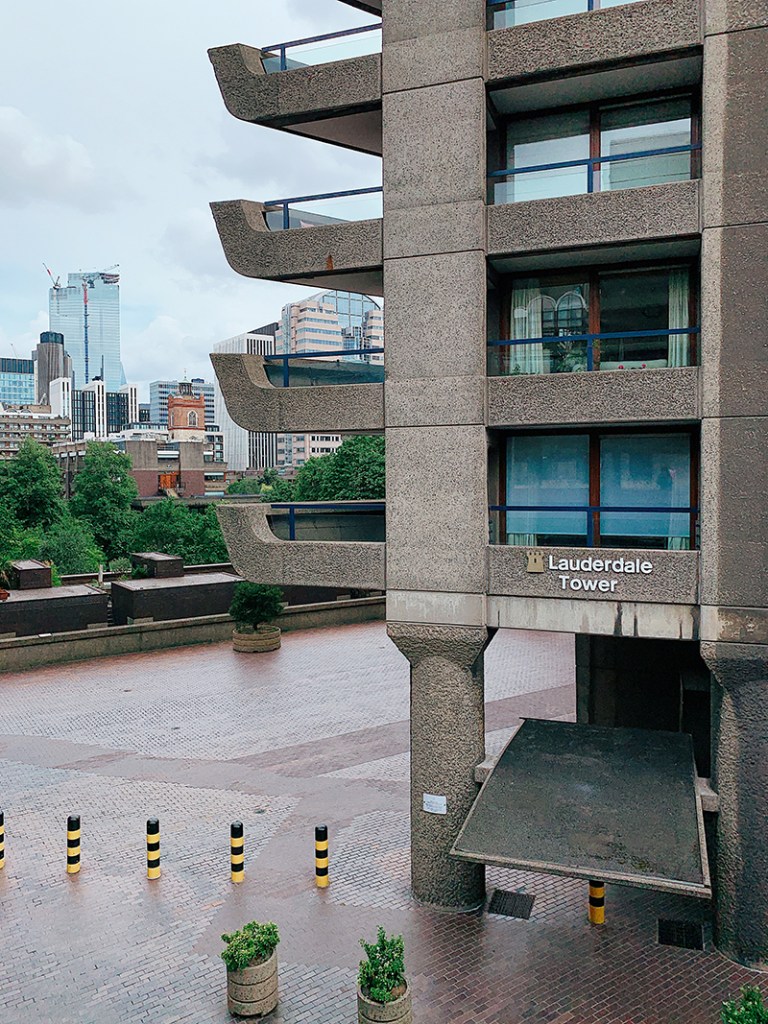
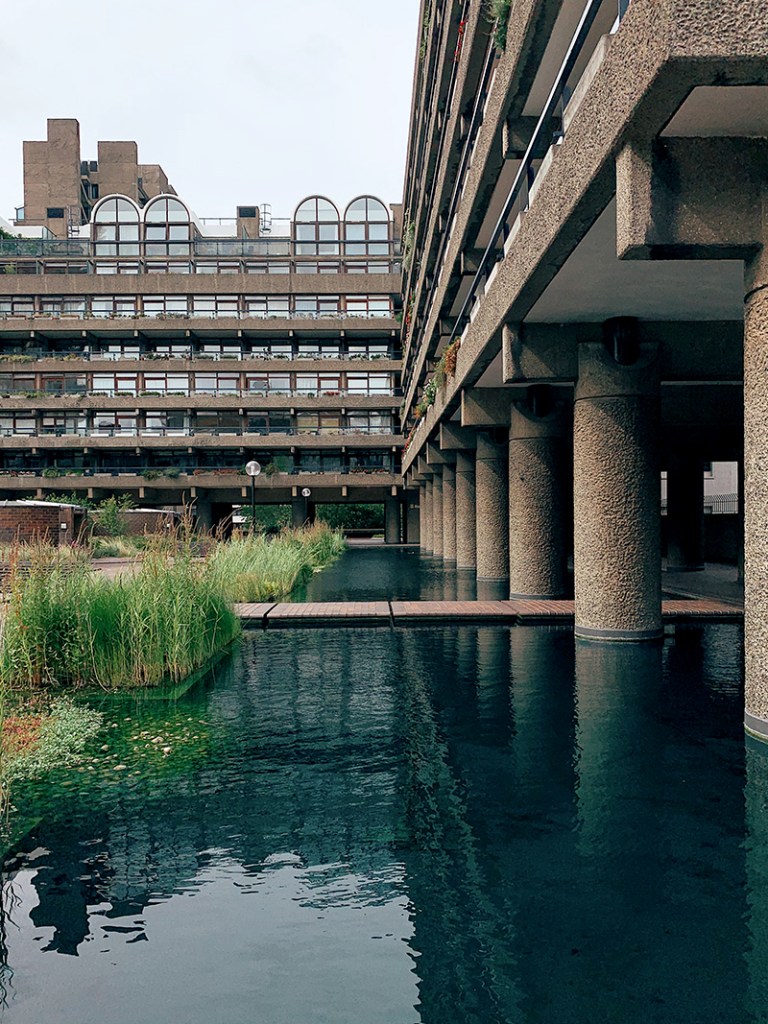
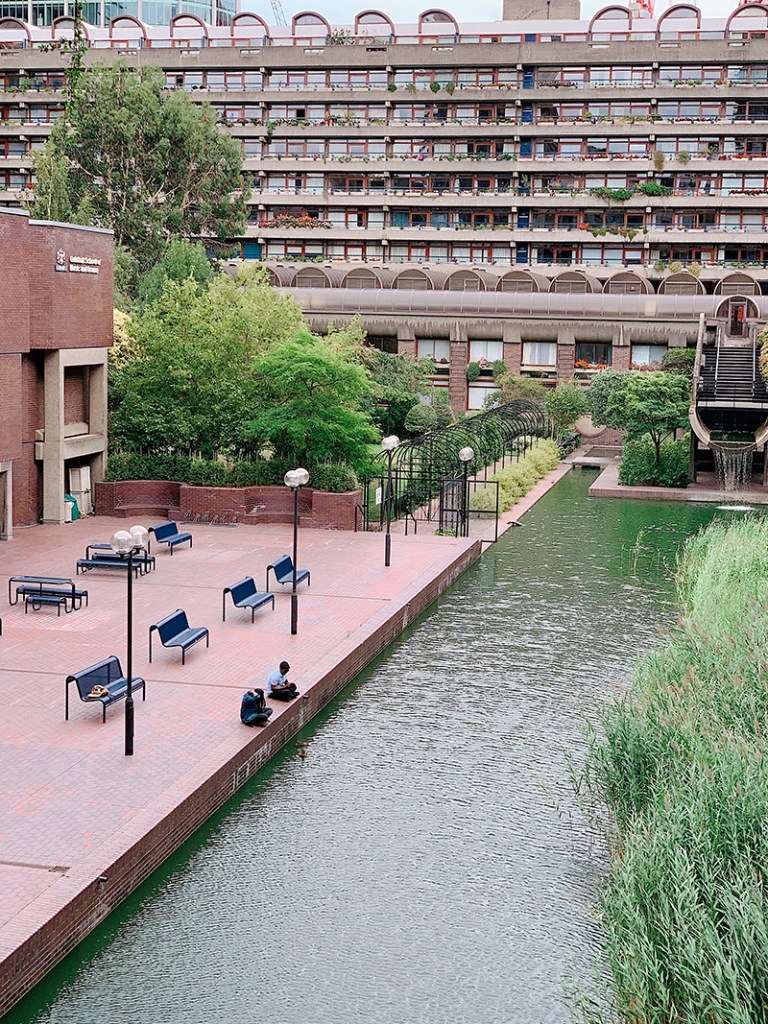
I’ve been to the Barbican a couple of times now (typically for concerts or art shows), but I’ve never forked out the time to go for an architecture tour till this time round. The docents were knowledgeable and brought us to places that were closed off to the public. We even got to see the sculptural additions of the mid ’90s, where decorative features and random statues were added to the mix (to soften the brutalist architecture) – it was weird to say the least.
One of my favourite bits about the tour was how it quelled the myths and preconceived notions of the space. For example, the Barbican estate was never considered as council housing, but was owned and managed by the city of London. This meant that there was a right to purchase, but in reality it’s just extremely expensive housing that is mostly privately owned. In many ways, it seems to be the elevated form of socialism. What I would give to look inside these homes and a deep study into the quirks of these folks! I remember there was a book a while back that did give some overview on the residents of the Barbican, but it turned out to lack depth (on people, not design.) I was not very interested in the standard usage of Dieter Rams knobs (though I can appreciate them, kinda.) Okay, I realise how this sounds. Please ignore my lack of shame and applaud my desire to understand the human mind? Moving on…
The vision of the 50’s to create an all encompassing space for living, work and play seemed to have hit the nail on the head, yet I don’t feel like we see more of these estates (not just in London, but around the world.) Is this because it’s too esoteric and not necessarily beneficial for ‘all of society’ as compared to an ‘elite few’? Just a thought.
After the tour, I walked around a little more and spent almost half an hour trying to find an escape from the estate. Can’t say that was fun…
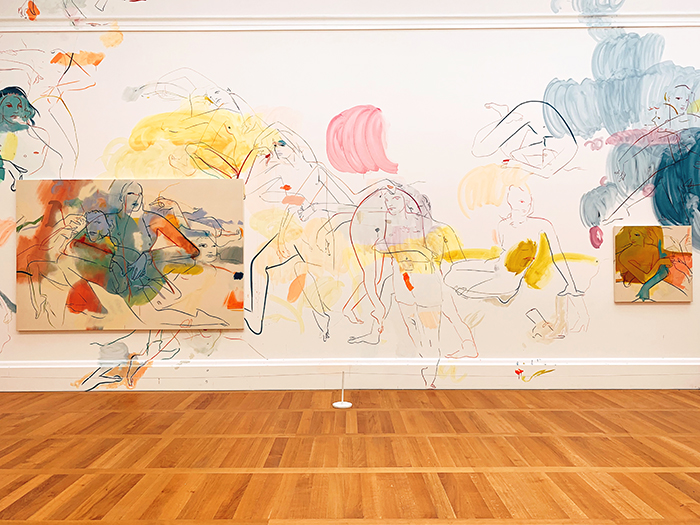
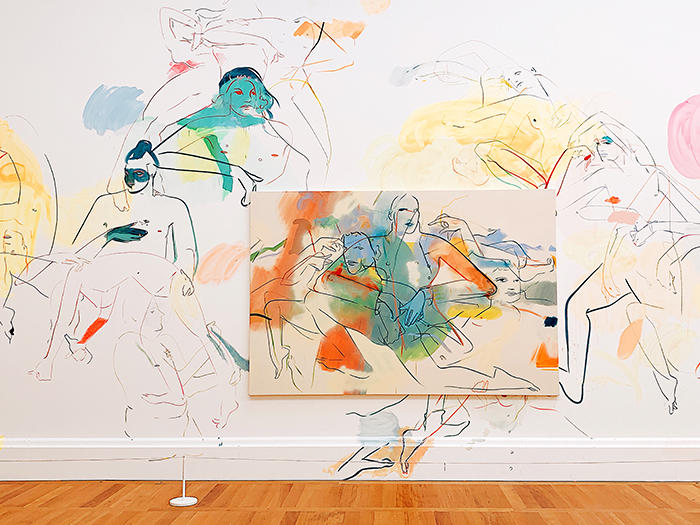
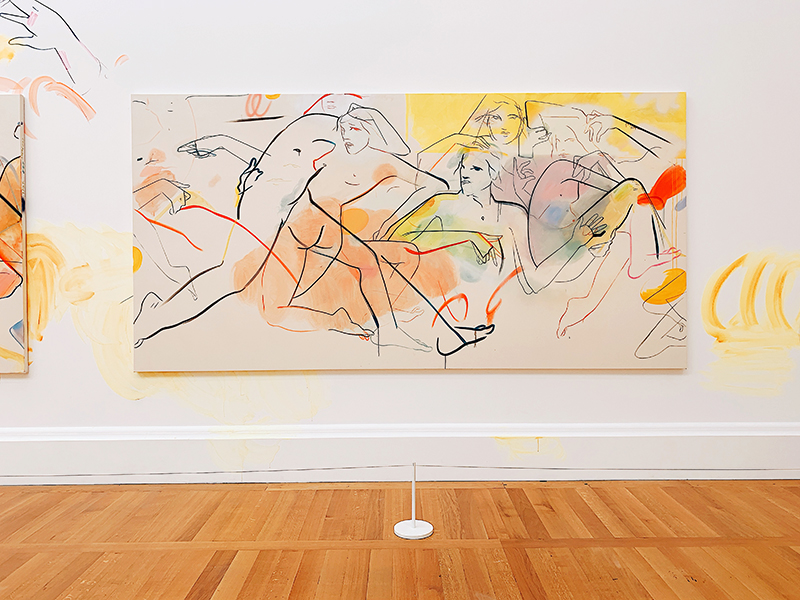
Sleepless by France-Lise McGurn, 29 June – 8 September 2019, Tate Britain.
Humanity in all it’s excitement – for better or for worse is such a wonderful study in intimacy. The idea of on-site specific exhibitions where the art transcends the canvas is beginning to charm it’s way to me. It’s a pity more people won’t get to enjoy it but this is also the draw of being present.
A gesso by François Rude at Ny Carlsberg Glyptotek
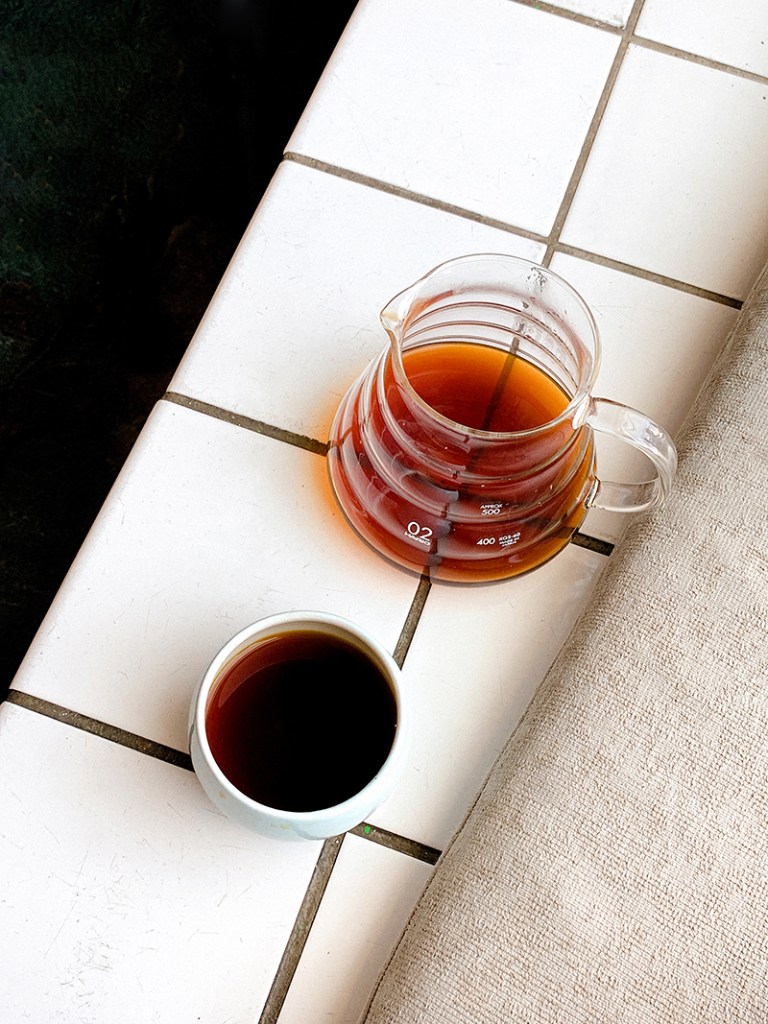
Coffee at Prolog
Mornings at Hart Bageri
Sydhavn metro
A lady contemplating Manfreds
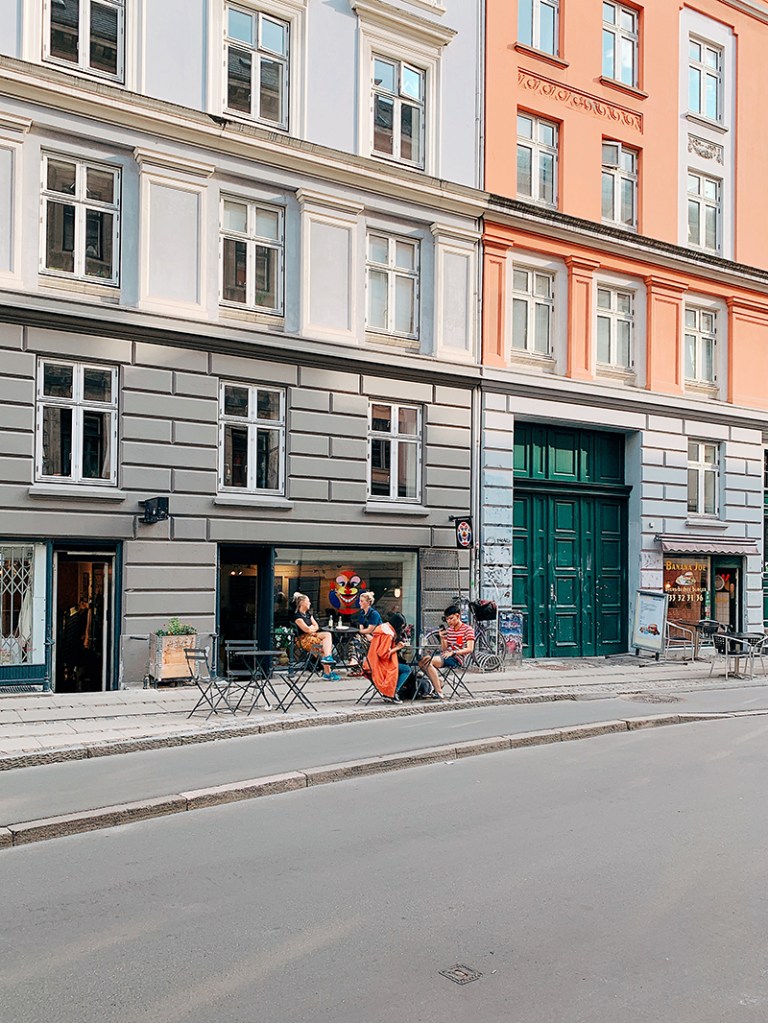
En route to our favourite bakery
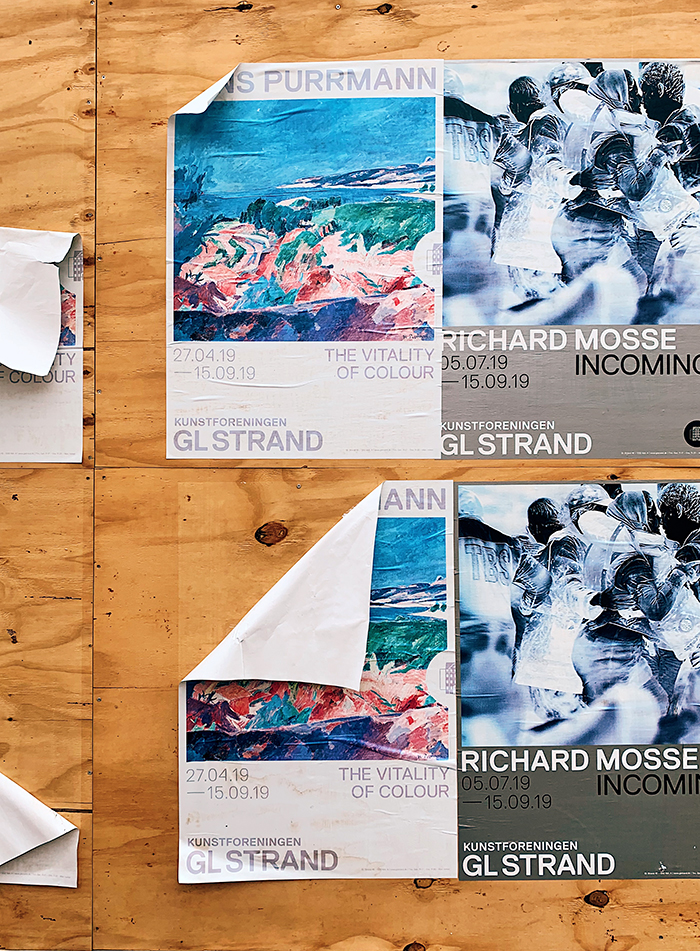
Gammel Strand posters
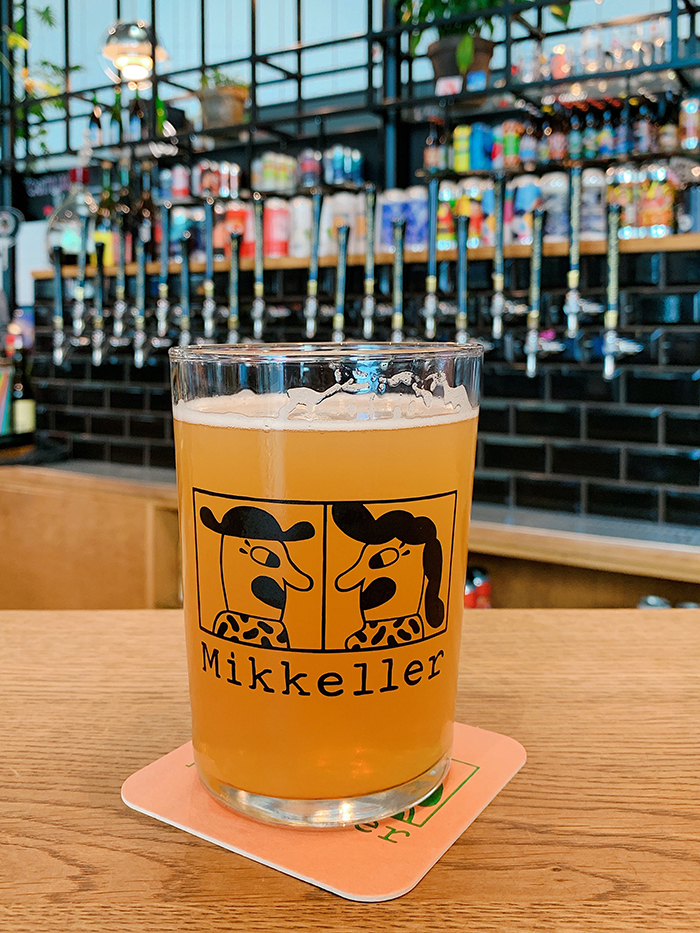
10am holiday beer at the airport
S u m m e r
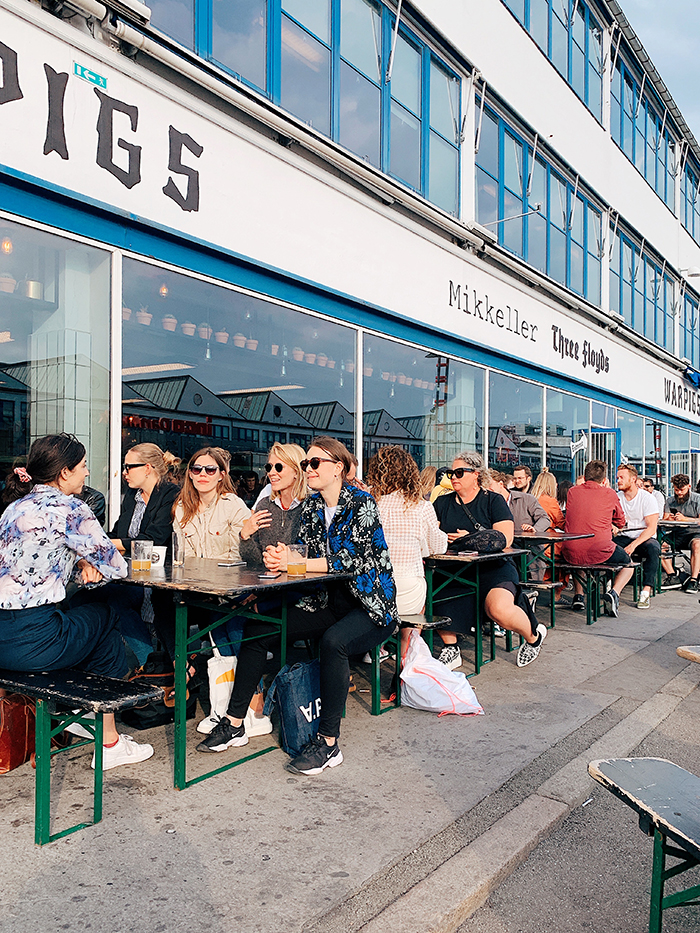
Warpigs Brewpub in Flæsketorvet
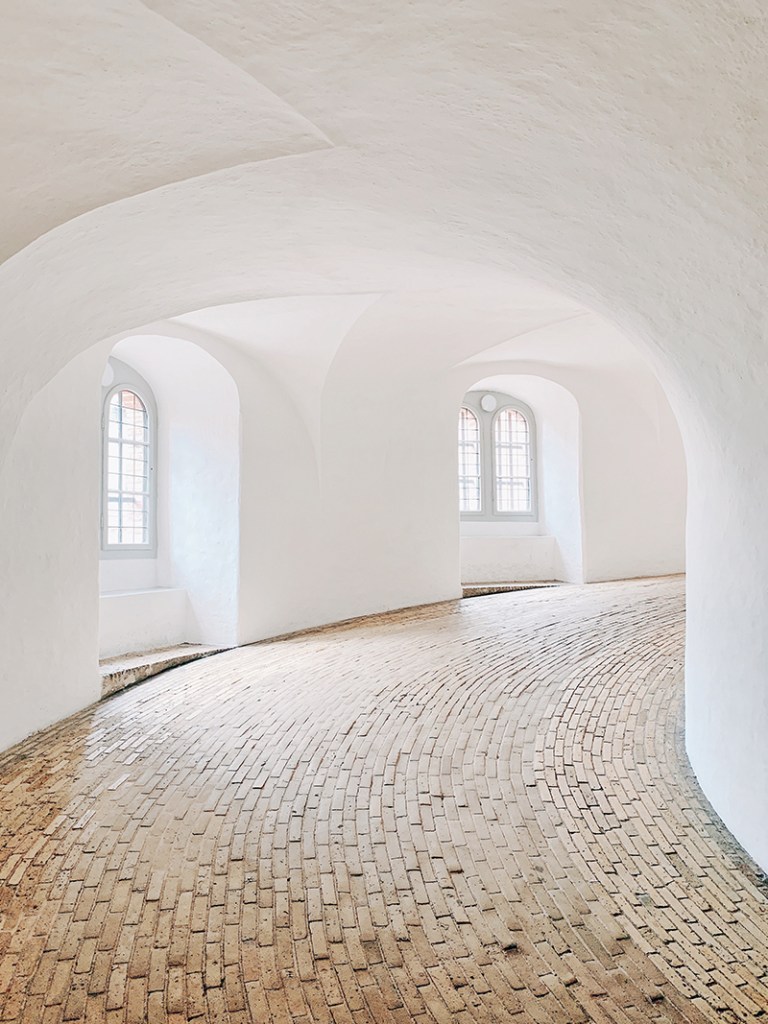
Up the Rundetaarn ; Round Tower
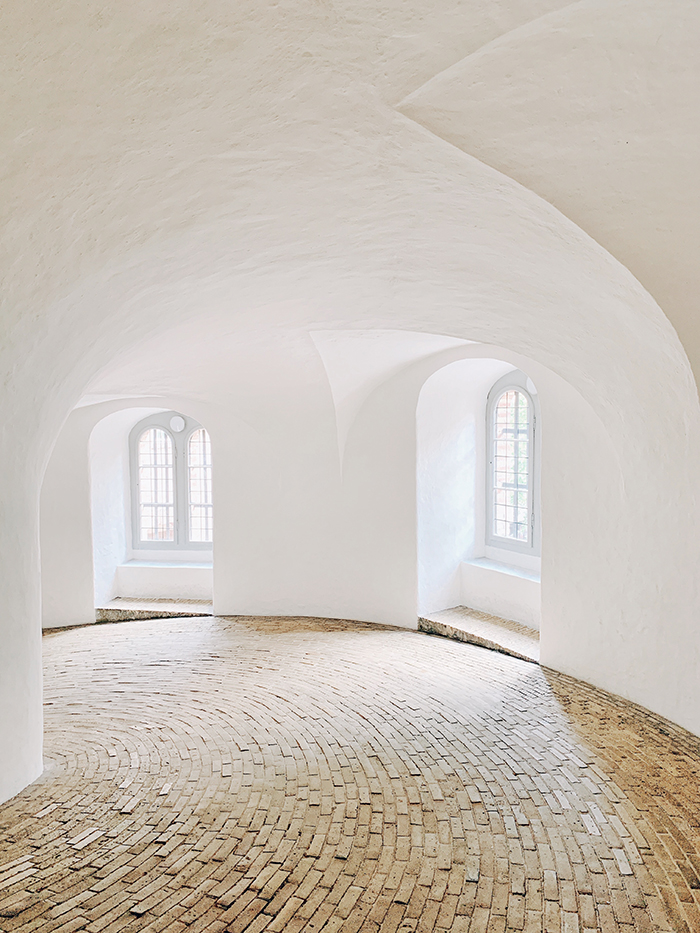
& Down the Rundetaarn ; Round Tower
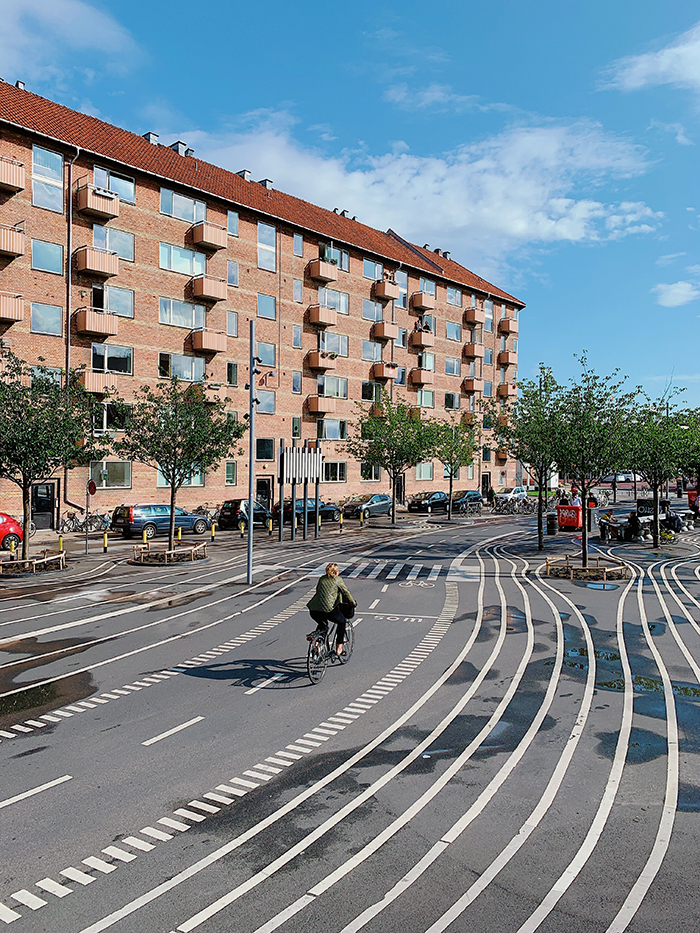
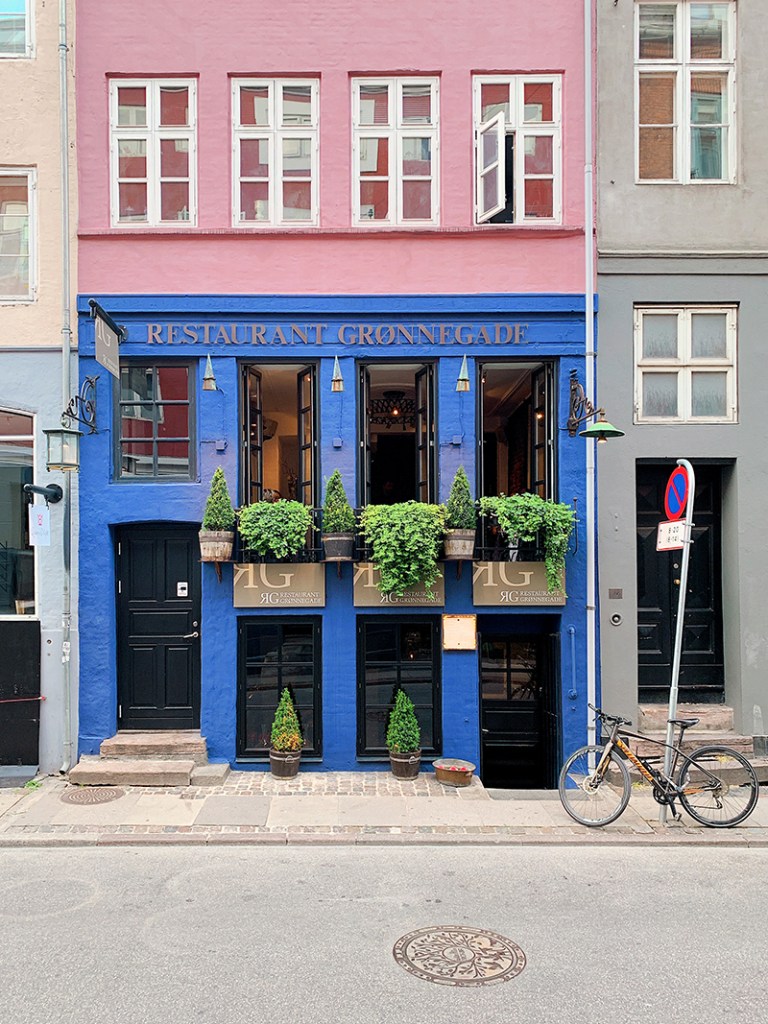
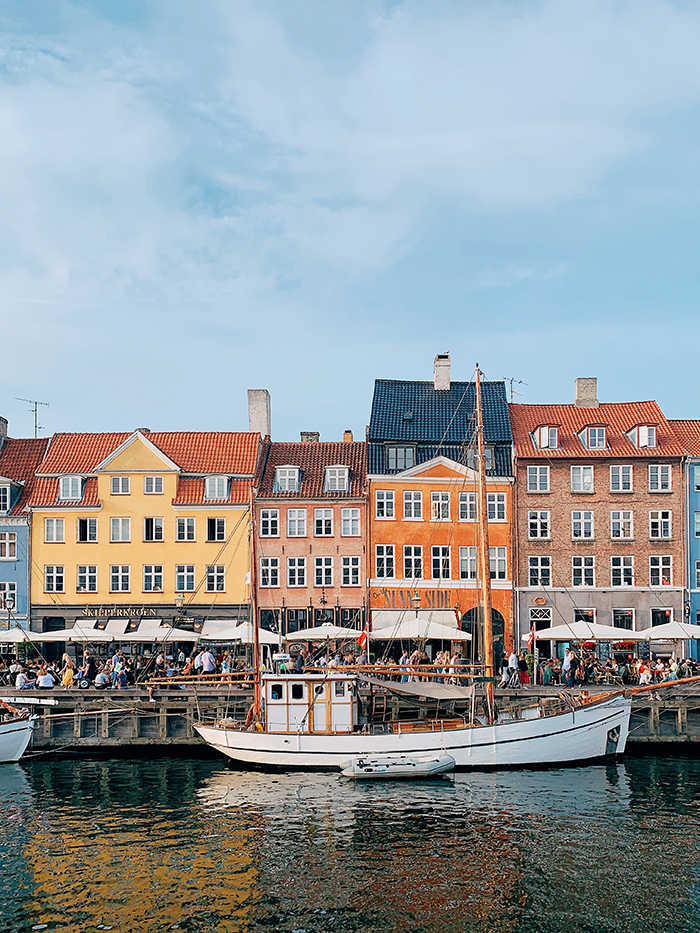
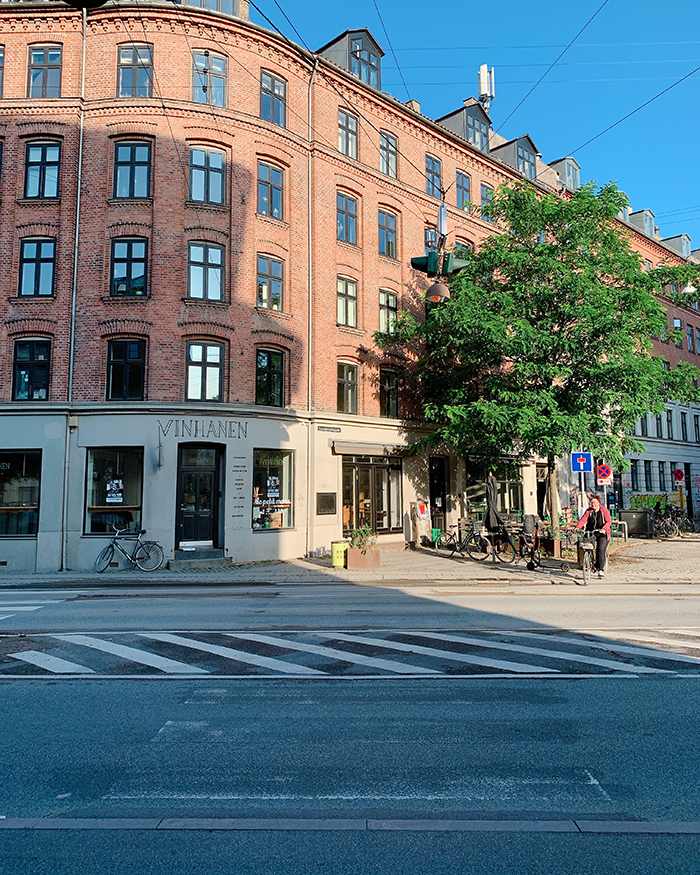
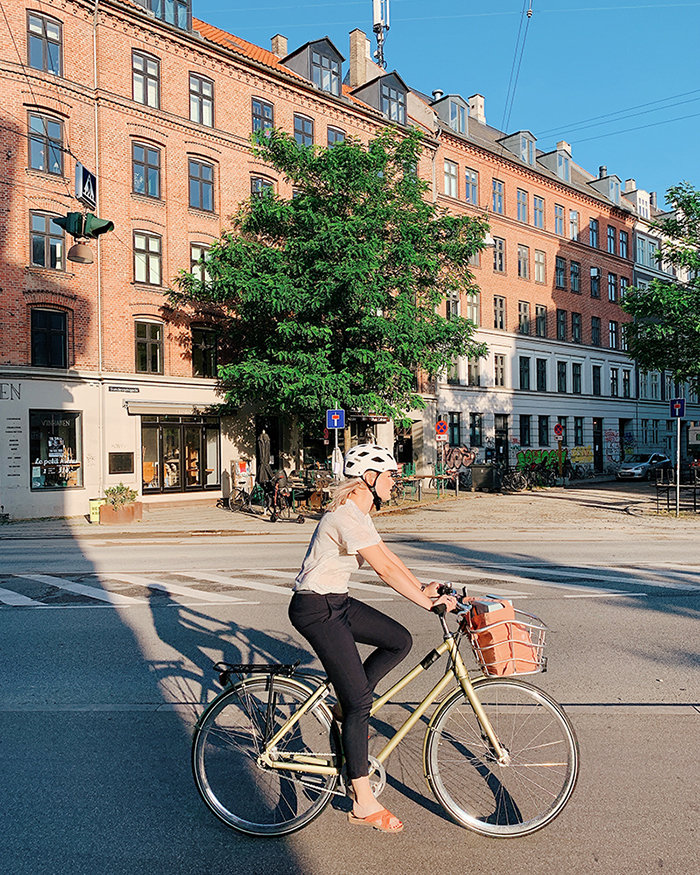
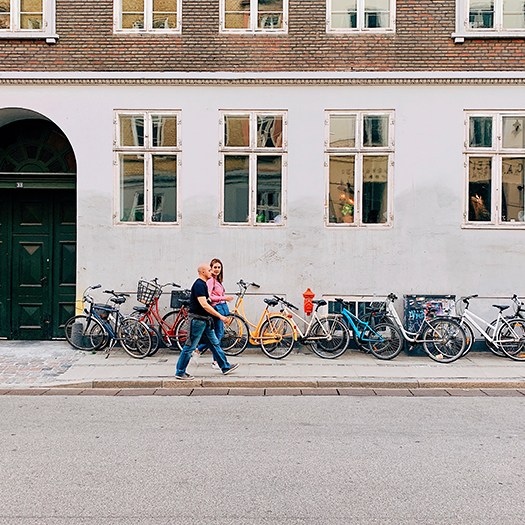
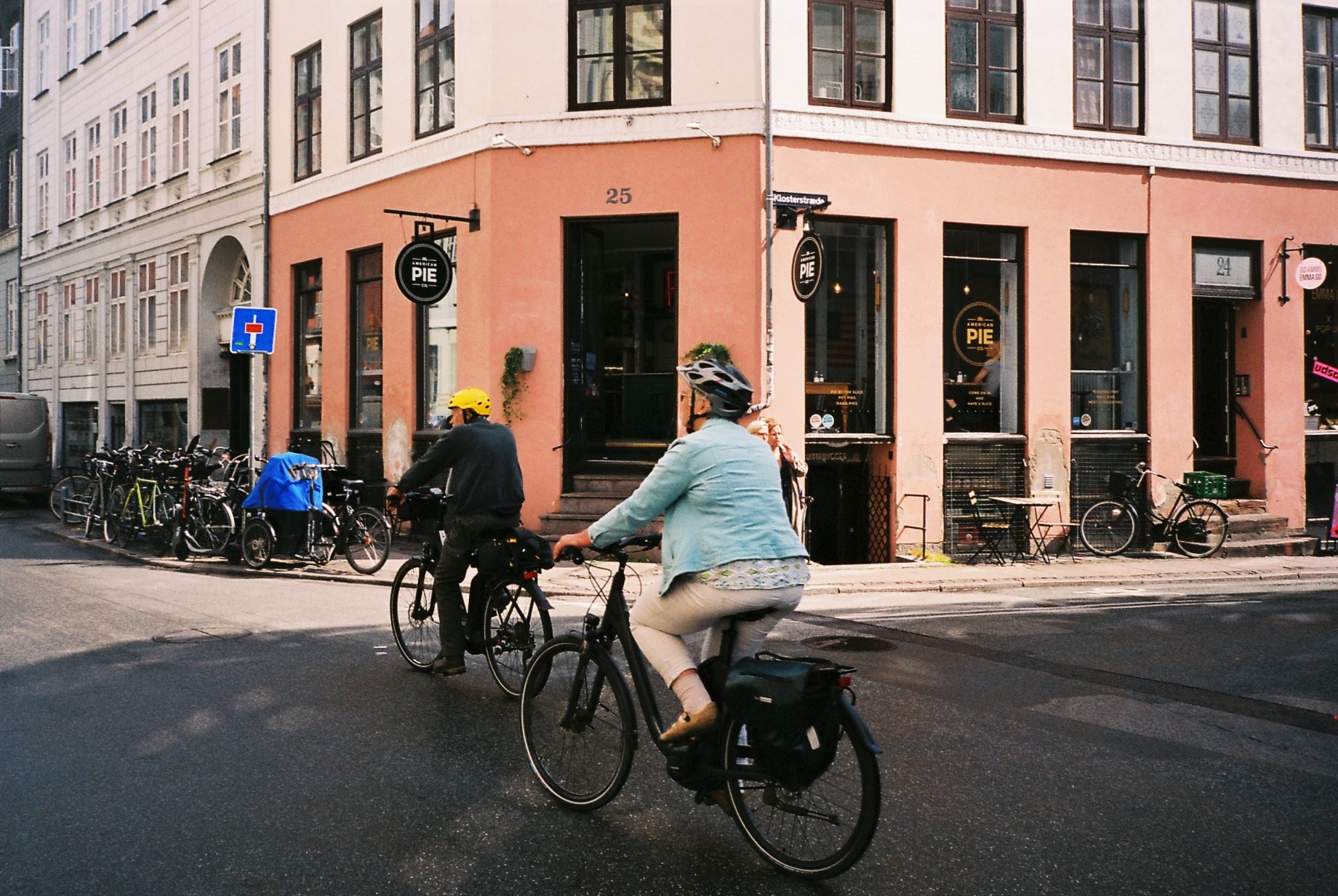
More snaps from Copenhagen. This city is brilliant and photogenic from every angle. People on the streets seem to have a wonderful sense of style, but beyond that, the city itself has this crisp, refreshing vibe – aloof and detached; everyone in their own element and really just enjoying being. I, too, enjoy being here.
Some bits of Denmark’s capital from my visit in August 2019. Copenhagen is beautiful in every way, and it was made better because I got to enjoy the city with close friends. I would like to go back, and potentially eat a giant cheesecake all by myself alongside thirty sausage rolls. Pretty sure my good friends will join me on this endeavour, but no, we should not make it a reality. They have some of the best food in the world, even though I didn’t delve deep into Nordic cuisine this trip. Take my word for it though, seeing how I gained a solid 3kg during a 5 day trip. Can I say it was the cheesecake, or was it all the other sweets I consumed…? We’ll never know.
Hopefully I’ll get round to summarising the best of my experiences in the not too distant future.
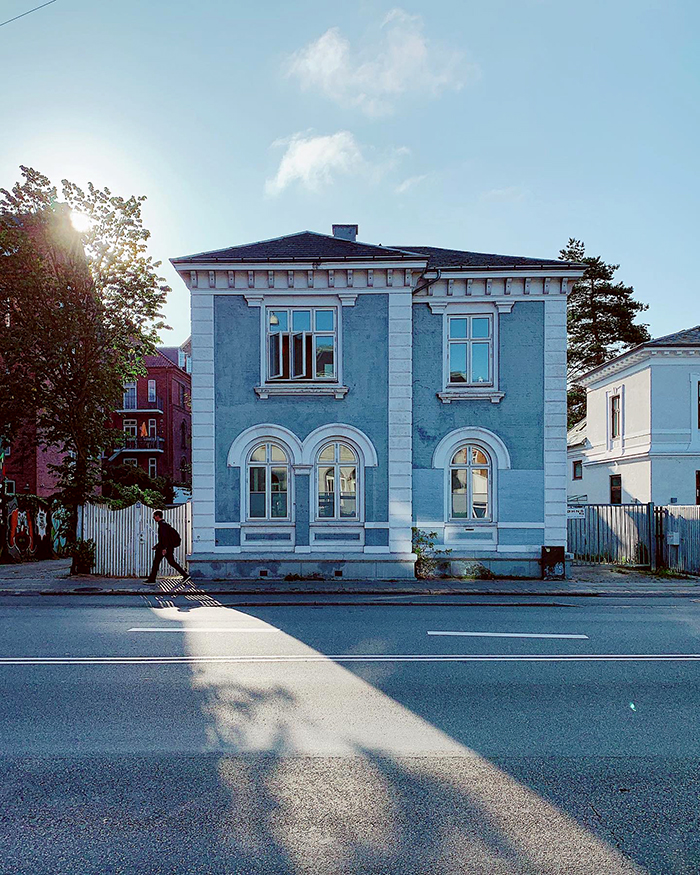
a photo I took, then found out it was a friend’s apartment
Travelling solo (to a brand new place) has always been daunting for me. It’s not something I’ve wanted to do while growing up, and only found myself in that situation a couple of years back due to a twist of strange events. However, I’ve been hooked since the initial “try-out” if you will. My parents (and many acquaintances) still frown upon the idea of solo travel and are very indignant about finding enjoyment alone. I’m still coming to terms and searching for the sweet spot of alone time required to enjoy to my heart’s content, and not feel guilty about the downsides to spending too much time alone.
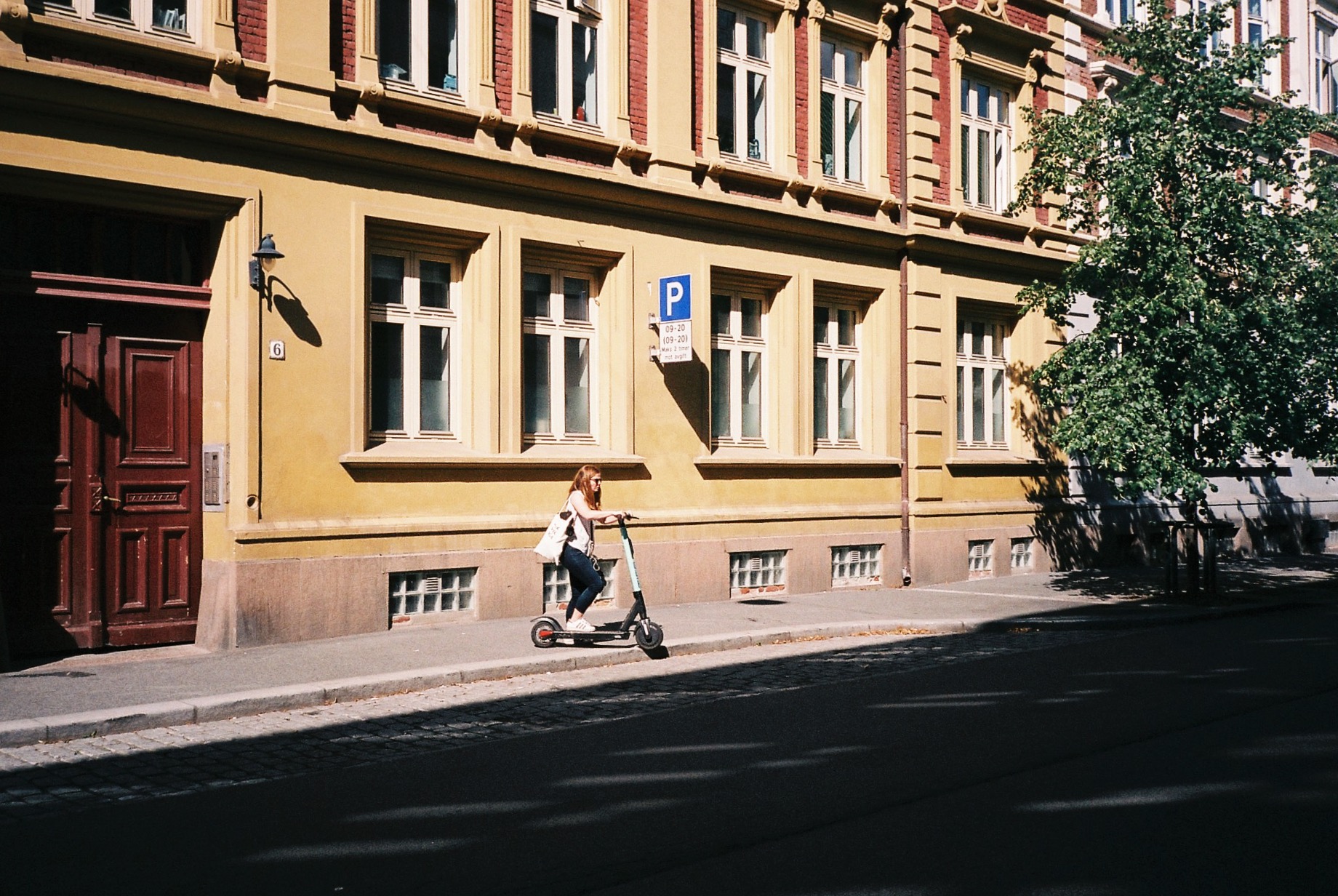
Snaps from my Yashica T-3 Camera
There’s a certain kind of charm to exploring little alleys and getting lost to get the feel of a city, making a plan and then forgoing it all together based on your whims and fancies. I’ve had troubles in the past deciding what I want to do (based on emotion) rather than logistics (what makes sense) and every trip has taught me a thing or two about myself which I can’t dismiss easily.
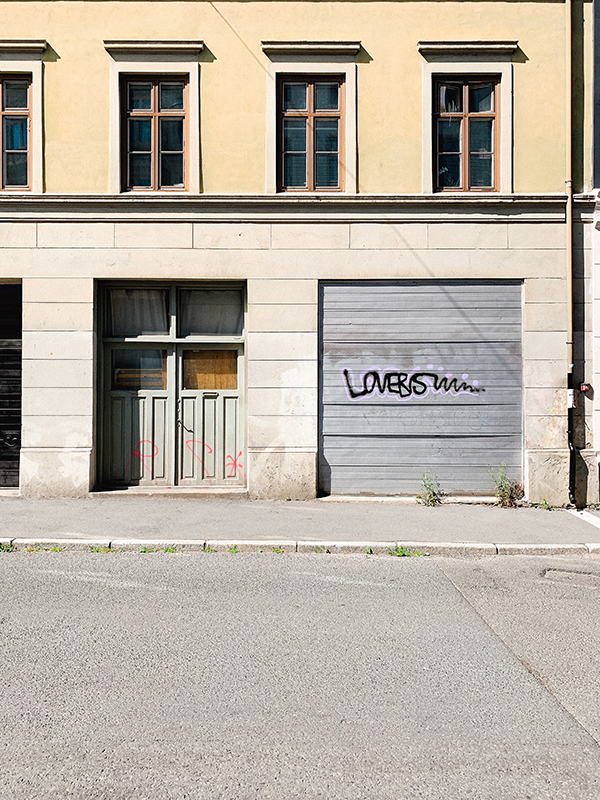
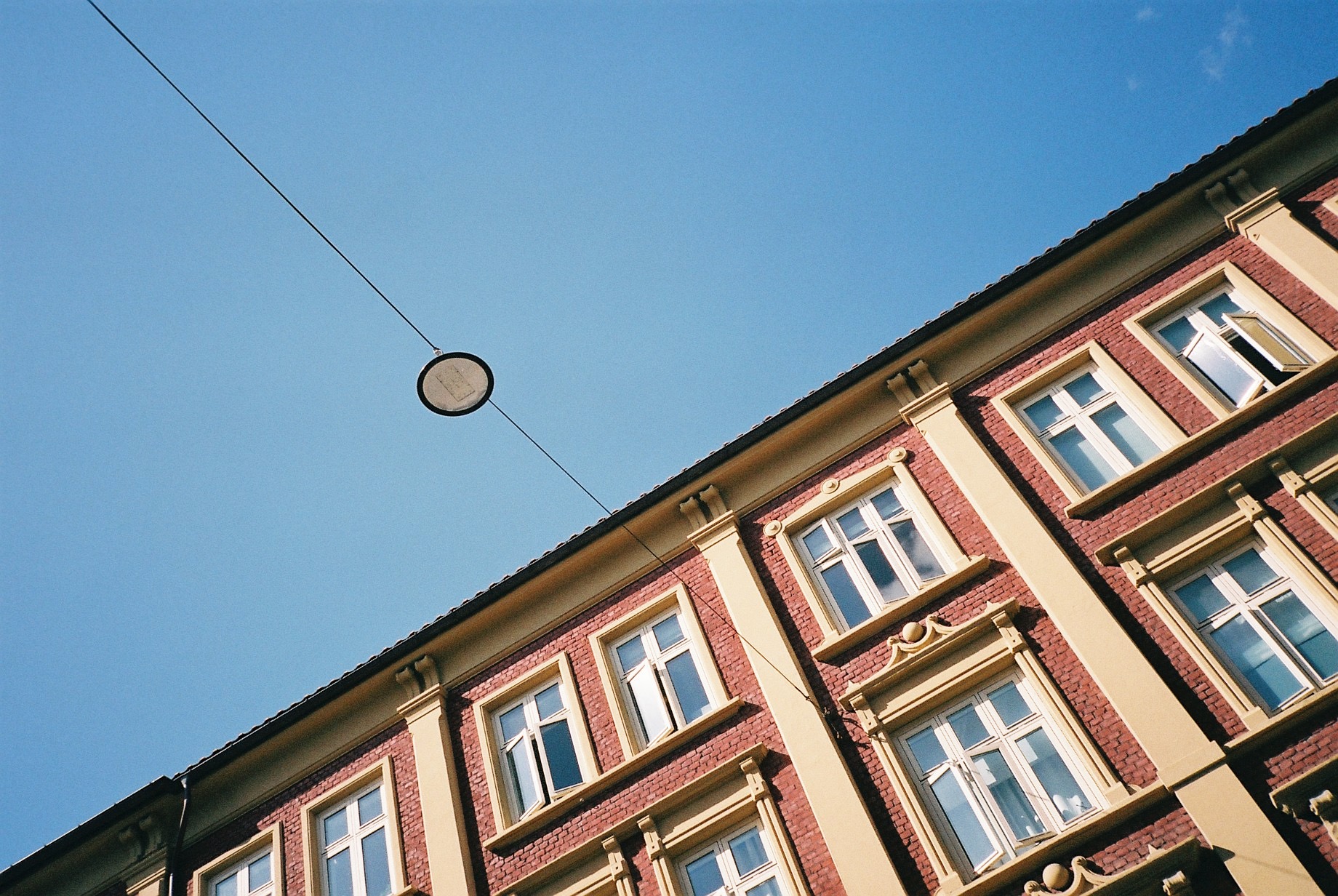
Also, Norwegians really seem to have their life sorted unlike the rest of the world. I’m a little envious.
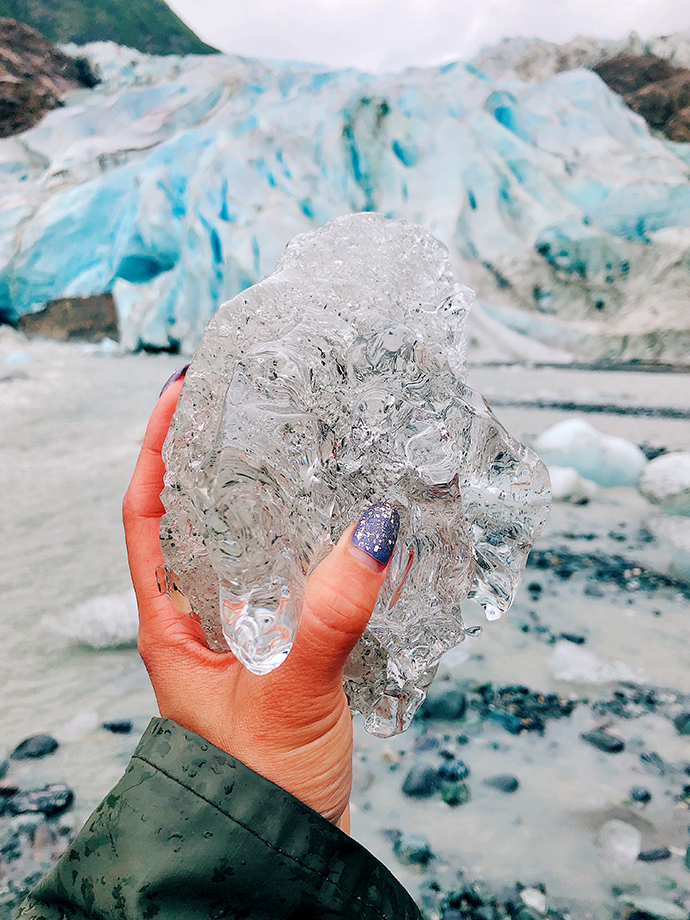
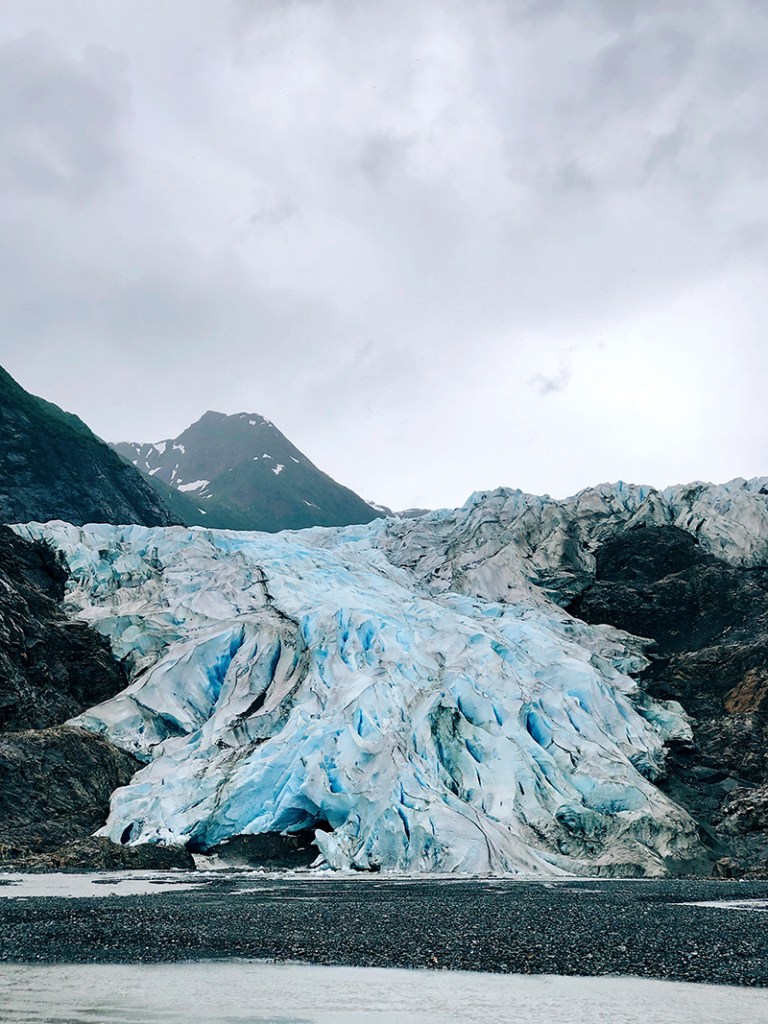
Three weeks into my Alaskan trip, I took a break from the research (forced break due to sudden alpine tundra rainfall), and travelled down to Skagway to meet my family (they were doing a tour of Alaska whilst I was slaving away.) On one of the days, we decided to try something completely brand new for the family – doing a wilderness hike and canoe expedition to see Davidson Glacier.
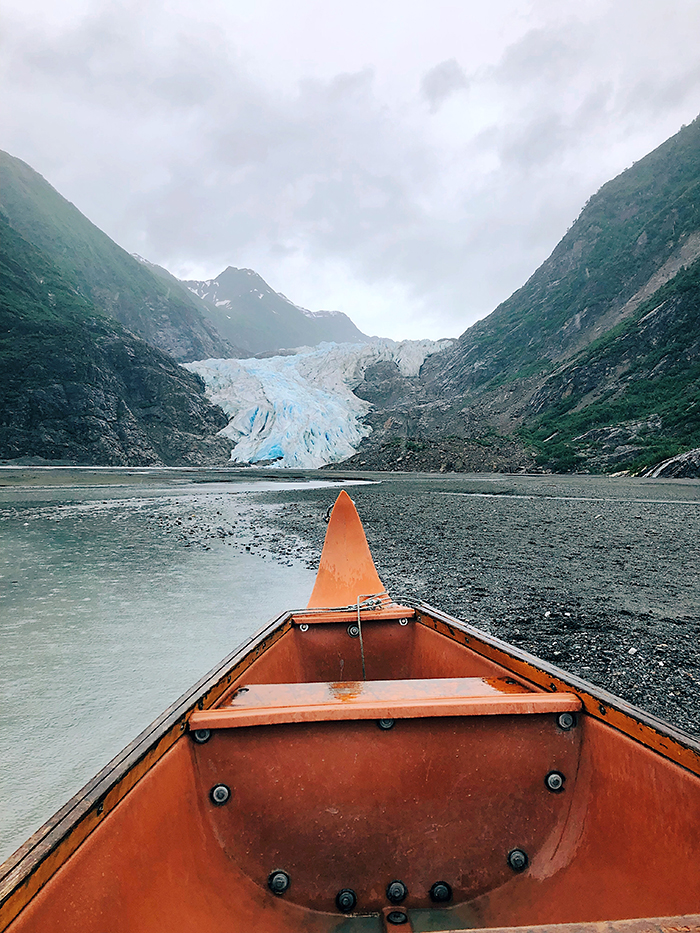
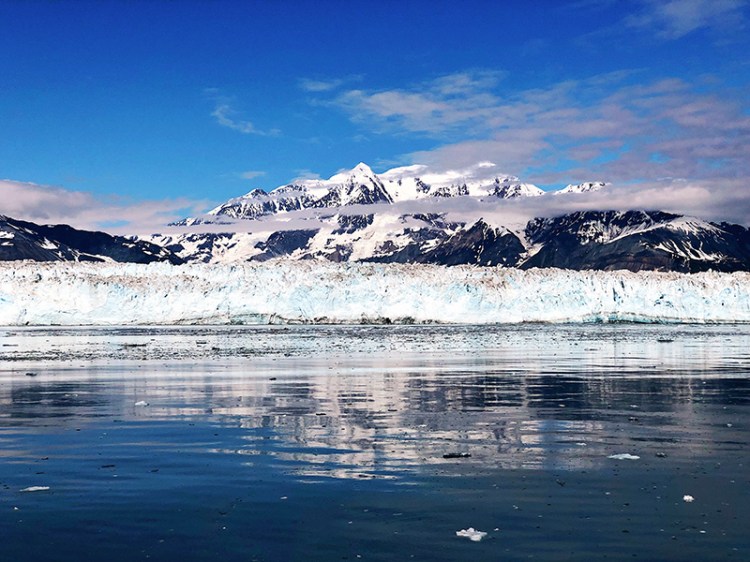
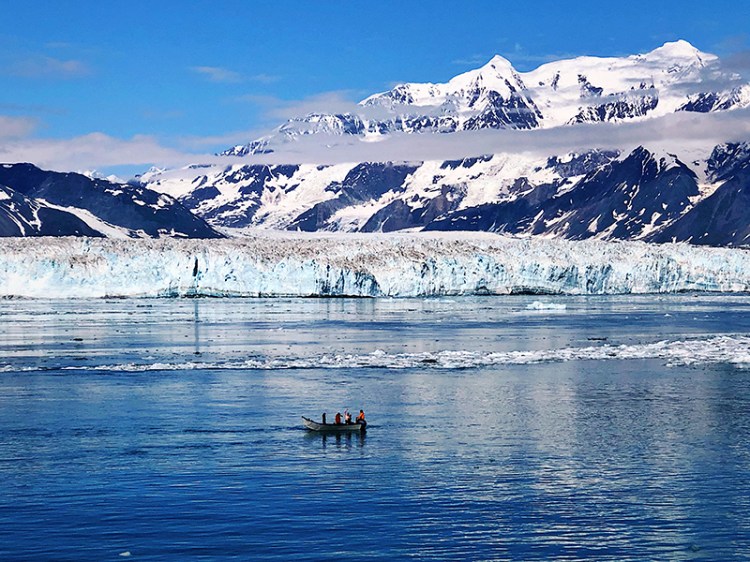
Davidson Glacier was originally discovered in 1867, and made famous by the Father of National Parks, John Muir, when he recounted it in his travels around Glacier Bay just a decade later. It used to be almost a tidewater glacier, but has receded into the mountains over the last century, turning into a valley glacier with its own glacial lake (so far up we can’t see it.) It’s currently runs for about 4.6 miles.
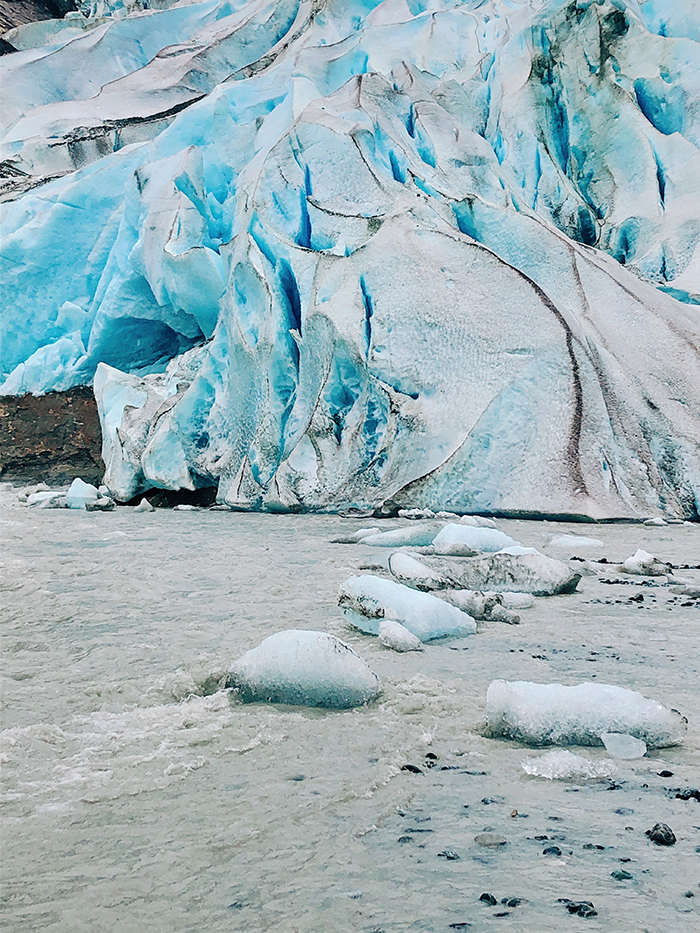
A couple of months back, I was reading The Popular Science Monthly from June 1889 (for research, not for fun), Glaciers on the Pacific Coast by G. Frederick Wright, where he estimated the original front of the glacier to be a whopping 3 miles wide. Unfortunately, there is no speculation on the length it used to be then. It’s said some Russian scientists tried to explore, but it went so far back and that they weren’t ‘heard from again’, but it’s likely it was due to lack of communication rather than death, I would think. Anyway, as you can see from my photos above, there is no 3 mile wide glacial front and it’s hard to imagine one. It’s crazy to learn the theory and science behind changes in our natural environment, then experiencing it firsthand.
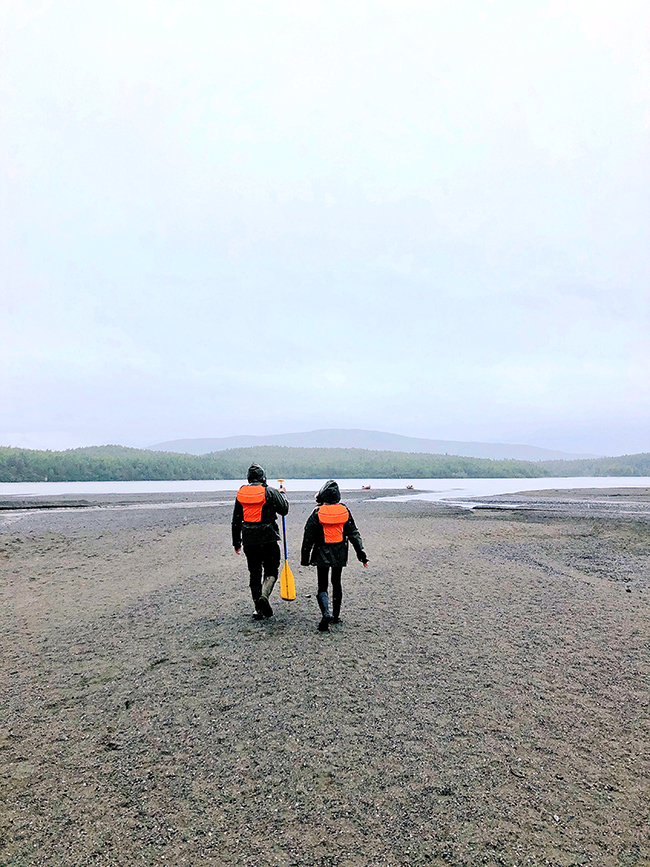
The weather in Alaska changes like the drop of a hat, and our guides shared that while the morning storm passed a couple of hours ago, there were still chances of a drizzle or more. As expected, plans changed according to the weather situation. After briefing and being outfitted, we took a speedboat to Glacier Point where we begun our relatively short mile hike on uneven terrain (lots of interesting vegetation, but rarely any wildlife) then canoed upstream. Halfway through our rowing, the drizzle turned into stormy wind and hail fell. However, our guides deemed it safe for us to proceed. Wildlife became scarce the closer we got upstream to the glacial waters, and the water was murky.
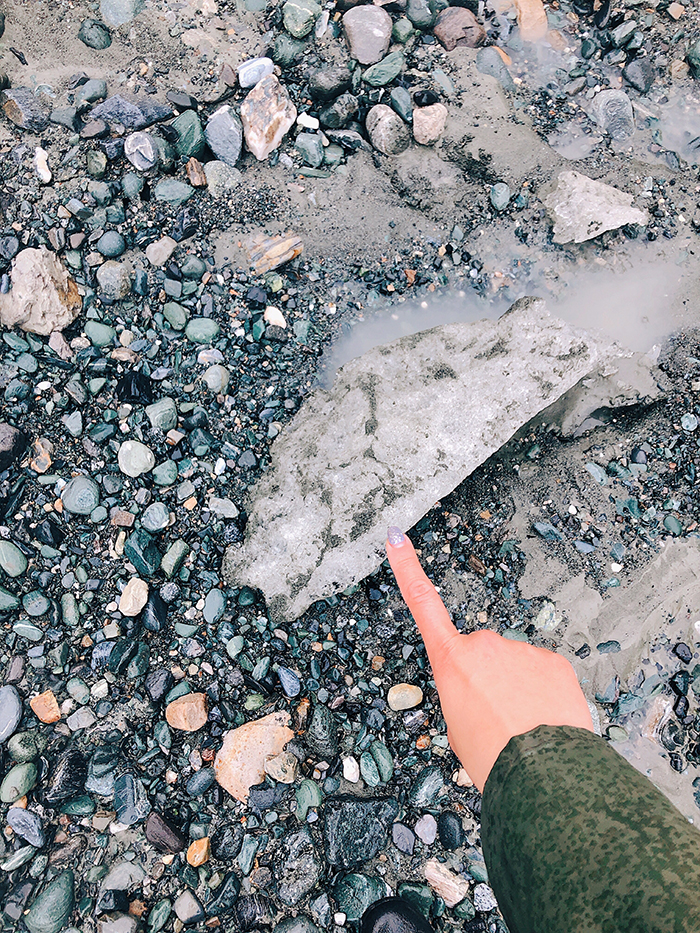
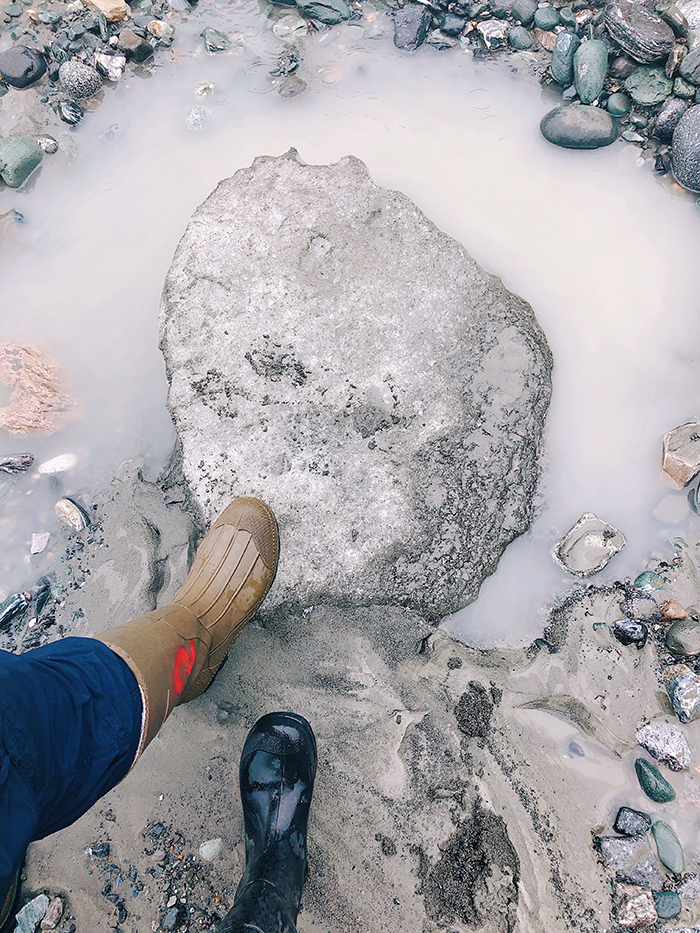
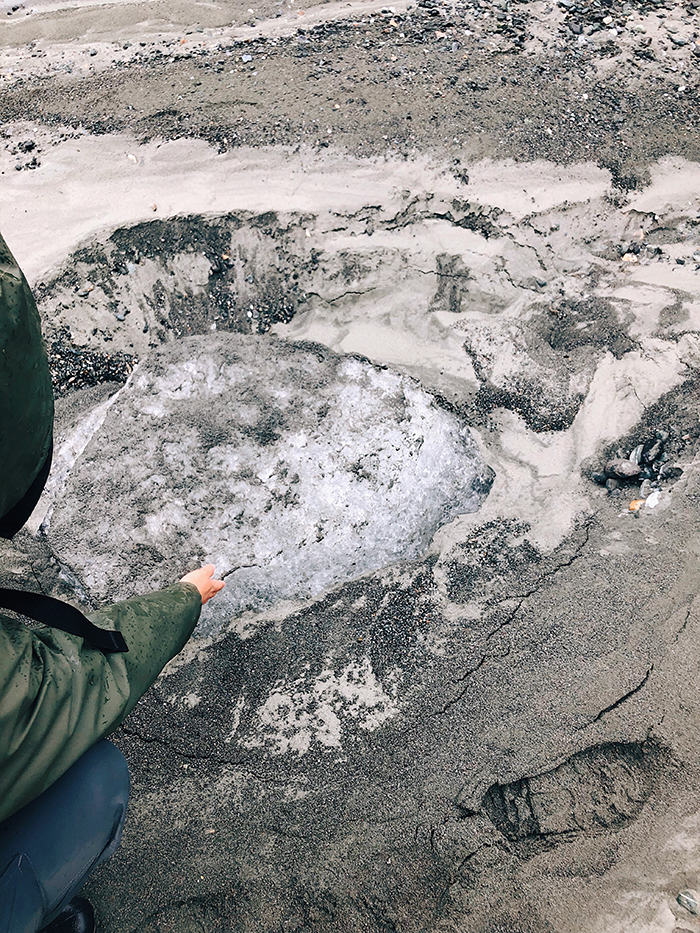
To safely navigate the landscape, we learned about kettle holes on outwash plains formed by retreating glaciers, resulting in misleading puddles of water that could be over 5 feet deep. Our guides taught us how to use our canoe paddles to test the depth before walking through them.
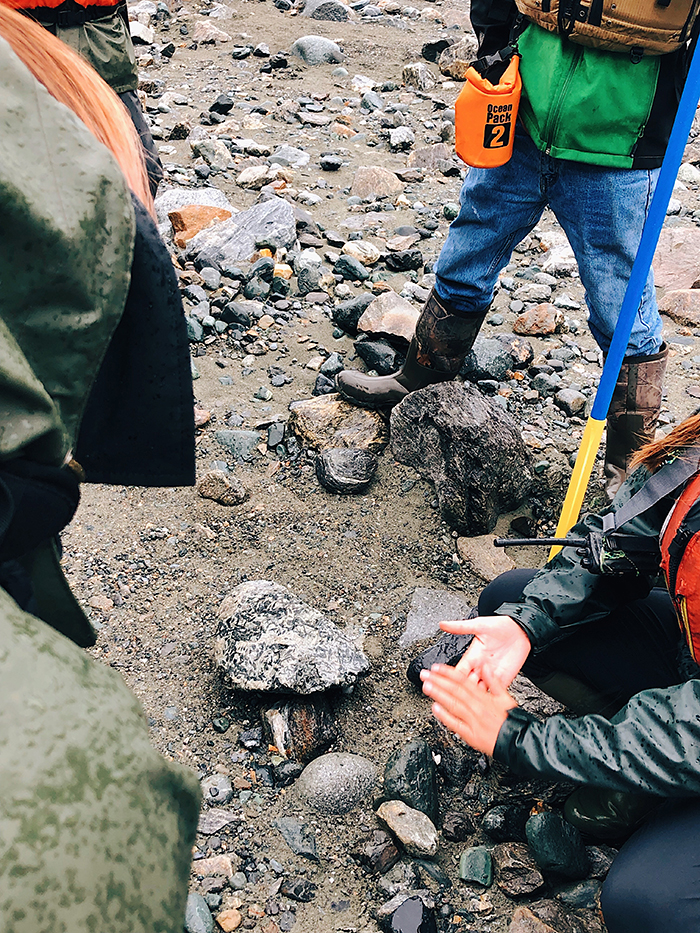
We hiked over what was a river (just 24 hours ago) and learned about sand formations underwater. Due to the erratic weather, the glacier shifted through the early morning, and resulted in water blockage that choked the water source. We could see water flow patterns, which is rare. During the hike, we also managed to learn about fossil formations on rocks by glacial pressure (aka earth art.) It’s incredible to see the different combinations of sediment and earth that form together over years, producing a wide variety of little pebbles and rocks.
Towards the end of our visit, the storm threatened to come back, and we witnessed a giant chunk of glacial ice calve. It ended up sitting and waiting for the river to rise. Within the span of an hour hobbling around the glacier, the water level rose a foot and we had to speed hike back to the canoes before the river came back and washed us away.
This turned out to be such a terrific experience, and I would recommend it for all adults (with a little bit of training and some persistence in difficult weather.) However, I would not suggest bringing a phone or a camera with them unless it was waterproof (not water resistant.) Shortly after our little adventure, my phone died thanks to the extreme weather conditions and I had to get a new one. But hey, these pictures were really fun to take too. My dad has a collection of these photos hung up on the wall of his study room now, and that seems to be well worth it.
Blue glacial waters from Copper River, east of Prince William Sound.
These are snaps taken off the marine highway while travelling to and fro, visiting Inuit tribes around the North Slope Borough and the Yukon Koyukuk Area. If I didn’t see these waters myself, I probably wouldn’t believe they were this shade of blue.
What a summer! Once again feeling terribly blessed.
A small group from University of Alaska Anchorage who dived in
Bye guys
A ridiculous encounter during this Alaskan trip. Sometimes I feel like I’m not here for a study /research program, but rather a holiday because all of these unfamiliar experiences. I did retract my statement a couple of times, but what is truly amazing is being able to see how people live and work in completely different environments so dissimilar to ours, yet reflective in so many ways.
High Times by Richard Prince, May 30–August 23, 2019, Gagosian San Francisco
Before this, the dead heads and hippie drawings – heart and soul drawings that were too real to talk about. This series was so fun, more psychedelic than the past. I love how varied and unexpected his work always is.

























 Denise Taw